The New Era of Black Friday Shopping: How AI is Rewriting the Rules of Discounts
From real-time dynamic pricing algorithms to smart AI shopping assistants that spot fake discounts, discover how artificial intelligence is reshaping Black Friday for both retailers and consumers.

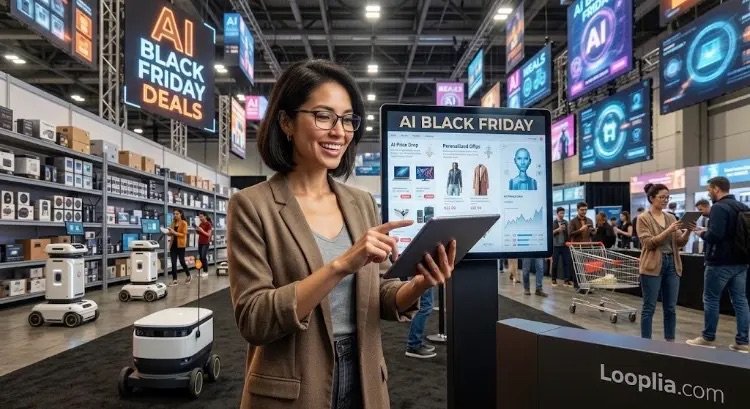
AI-powered shopping assistants and smart retail tech are transforming the Black Friday experience.
The annual Black Friday frenzy at the end of November is no longer just about long lines outside brick-and-mortar stores or refreshing e-commerce pages at midnight. Artificial intelligence (AI) is fundamentally transforming the entire shopping experience—from how retail giants set their pricing strategies to how consumers hunt down genuine deals.
In this new landscape where traditional bargain hunting has evolved into a battle of algorithms, let’s take a closer look at how AI is reshaping Black Friday dynamics.
1. Dynamic Pricing and Invisible Algorithms
Retail companies no longer lock in their prices weeks in advance. AI-powered dynamic pricing engines analyze real-time inventory levels, competitor pricing, the time of day, and even a user’s browsing history to update price tags within seconds.
- Demand Forecasting: AI models predict exactly when a specific product will sell out, gradually increasing or decreasing discount rates accordingly.
- Personalized Offers: Instant coupons triggered for a shopper who abandons their cart are entirely driven by machine learning algorithms designed to maximize conversion rates.
2. The Consumer’s Strongest Weapon: AI Shopping Assistants
While companies leverage AI to protect their profit margins, consumers are deploying their own AI tools to avoid fake discount traps. Products with artificially inflated base prices followed by a “discount” sticker are now instantly flagged by AI-driven price-tracking extensions.
Next-generation shopping assistants give consumers several key advantages:
- Historical Price Analysis: Scanning a product’s six-month price history in seconds to verify whether the current price tag is genuinely the lowest of the year.
- Review Summarization: Condensing hundreds of pages of customer reviews into a single paragraph, highlighting chronic defects or standout benefits before you hit “buy.”
- Automated Coupons and Cashback: Automatically testing every active promo code on the internet at checkout to apply the combination that yields the highest savings.
3. Hyper-Personalized Storefronts
Getting overwhelmed by millions of products during Black Friday is one of the biggest reasons shoppers abandon their purchases. Instead of showing the exact same homepage to everyone, e-commerce platforms now build a unique storefront for each visitor. By combining your past searches, dwell time, and interests, AI surfaces only the discounted items you are genuinely likely to need.
4. The AI Shield Against Fake Deals and Phishing Attacks
Major shopping holidays are also peak season for cybercriminals. Cloned e-commerce websites and fake “your package has shipped” messages become more convincing every year. Cybersecurity firms and modern web browsers use AI-driven security layers to inspect a website’s domain age, payment infrastructure, and visual consistency in milliseconds, warning users before they fall victim to fraud.
Artificial intelligence has turned Black Friday into a much more data-driven chess match for both sellers and buyers. For consumers, the most profitable strategy is to skip impulse buying and instead use smart AI price trackers and assistants to tilt this technological advantage in their favor.
Would you like me to tailor this draft with SEO meta descriptions, target keywords, or specific AI shopping tool recommendations for your blog?