Enterprise Generative AI: Architecture, Practical Applications, and Implementation Strategy
Discover how Enterprise Generative AI drives operational efficiency and scales organizational knowledge. Learn about RAG architecture, security standards, and practical implementation strategies across high-impact business sectors.


A team collaborating in a modern office on Enterprise Generative AI strategy, featuring data flows, RAG Engine, and secure LLM visualizations on screens.
Generative AI is no longer a sandbox experiment or a passing hype cycle in the corporate world. It has rapidly evolved into a core strategic technology driving operational efficiency, scaling internal expertise, and reshaping business models. While traditional corporate software relies on rigid, pre-coded rules, Enterprise Generative AI leverages massive neural networks to generate original text, code, visual assets, and complex predictive analyses directly from organizational data.
Below is an in-depth, executive-ready technical and strategy guide optimized for modern search engines and AI answer engines (SEO & AEO).
What is Enterprise Generative AI?
Enterprise Generative AI refers to the deployment of Large Language Models (LLMs) and multimodal AI architectures integrated directly into an organization’s core infrastructure, databases, and operational workflows.
While consumer-facing AI tools focus on individual productivity, enterprise-grade deployment operates at scale behind enterprise security firewalls. It ensures strict compliance with global governance standards (such as SOC 2 Type II, ISO 27001, GDPR, and HIPAA) while processing vast, multi-departmental datasets concurrently across thousands of active users.
Core Capabilities
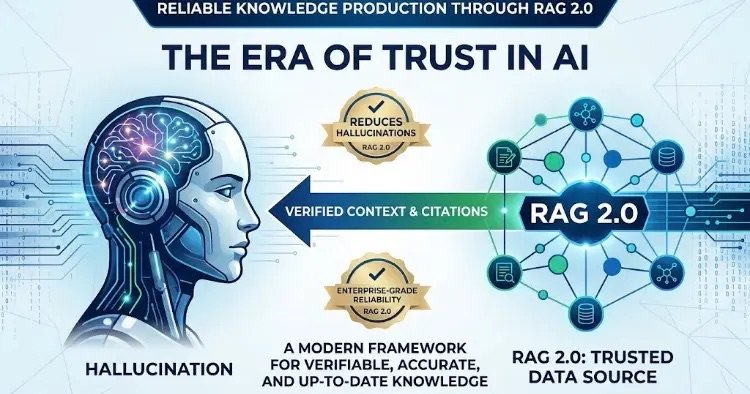
- Retrieval-Augmented Generation (RAG): Grounds generative outputs dynamically in proprietary company knowledge (e.g., internal wikis, legal contracts, legacy tickets).
- Multimodal Processing: Simultaneously processes, interprets, and converts across formats—text, structured SQL databases, voice audio, image assets, and source code.
- Granular Access Control: Enforces Role-Based Access Control (RBAC) so models only output data a given employee is authorized to see.
How Does It Work at Scale?
Deploying generative models within enterprise IT architecture requires a multi-layered infrastructure designed for low latency, high throughput, and strict data isolation:
- Data Ingestion & Sanitization: Unstructured documents (PDFs, slide decks, emails, CRM entries) are extracted, cleaned, and updated continuously via automated data pipelines.
- Vector Embeddings & Vector Databases: Data is converted into high-dimensional numerical vectors and indexed in enterprise vector engines (e.g., Pinecone, Milvus, Qdrant) for high-speed semantic retrieval.
- Retrieval-Augmented Generation (RAG): When an employee inputs a prompt, the system queries the vector database first to retrieve exact context (Retrieval), then feeds this grounded context to the model to construct an accurate, hallucination-free response (Generation).
- Governance & Safety Guardrail Layer: Automated compliance filters intercept outputs in real time to prevent data leaks, enforce brand consistency, and block unauthorized data disclosures.
Target Industries and High-Impact Use Cases
Generative AI offers transformative leverage across data-heavy and customer-centric sectors:
- Financial Services: Automated compliance audits, fraud detection reporting, automated loan underwriting summaries, portfolio commentary. (Expected Impact: Up to 40% reduction in reporting processing times.)
- Healthcare & Pharma: Clinical trial synthesis, regulatory submission drafting, patient history summarize-on-demand. (Expected Impact: Accelerated R&D cycles and reduced paperwork burden.)
- Legal & Professional Services: Multi-jurisdictional contract review, clause comparison, discovery documentation scanning, precedence research. (Expected Impact: Instant extraction of critical risk clauses across thousands of agreements.)
- E-Commerce & Retail: Hyper-personalized customer support, localized marketing campaigns, dynamic product catalog descriptions. (Expected Impact: Higher conversion rates and reduced first-response resolution times.)
Practical Deployment Scenarios Across Departments
Enterprise organizations achieve immediate ROI by deploying AI assistants tailored to specific operational functions:
- Customer Experience (CX): Autonomous support agents resolve multi-turn customer inquiries by pulling directly from live supply chain and order management databases.
- Enterprise Knowledge Management: An internal conversational search engine that allows engineers, managers, and new hires to query decades of institutional documentation instantly.
- Software Development & Engineering: Automated code refactoring, legacy language translation (e.g., COBOL to Java), vulnerability scanning, and unit test generation.
- Marketing & Communications: Brand-aligned content generation engines that localize global product messaging into dozens of languages while keeping tone-of-voice uniform.
Key Strategies for a Successful Enterprise Roadmap
To avoid common pitfalls—such as data leakage, high cloud compute costs, or model hallucinations—organizations must follow a structured execution plan:
- Prioritize Zero-Data-Retention & Private Cloud: Deploy models via isolated cloud instances (e.g., Azure OpenAI Service, AWS Bedrock, or private VPCs) to guarantee vendor models are never trained on your company data.
- Start with High-ROI Pilot Programs: Target initial implementations toward contained internal teams (e.g., tier-1 IT helpdesk or internal sales enablement) before launching customer-facing tools.
- Invest in AI Literacy & Prompt Standards: Implement company-wide training on prompt engineering techniques, data privacy boundaries, and human-in-the-loop validation practices.